Acrylic: A Rigid Display Font Shaping the Future of Visual Communication
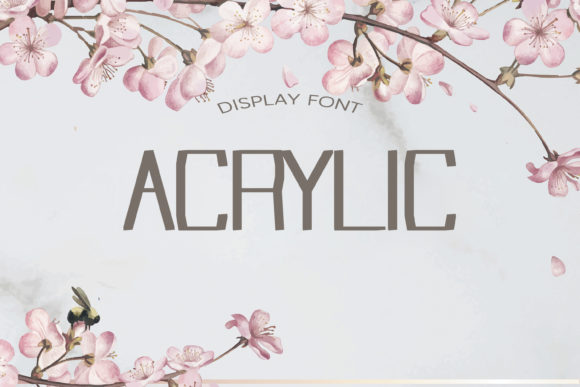
In an era where visual identity is more critical than ever, typography plays a pivotal role in how brands, creators, and professionals communicate their message. Among the many fonts that have emerged to meet this demand, Acrylic stands out as a unique and powerful choice. Acrylic is a rigid display font characterized by its squared, geometric characters that exude a futuristic and modern aesthetic. This font is not just a typographic tool—it’s a statement, a design element that aligns with the evolving needs of digital and physical branding.
Understanding the Acrylic Font
Acrylic is a display font that combines sharp edges with clean lines, creating a bold and striking visual presence. Each character is meticulously crafted to appear rigid and structured, giving it a distinctly mechanical and high-tech feel. Unlike traditional serif or sans-serif fonts, Acrylic eliminates any soft curves, opting instead for angular forms that emphasize clarity and strength.
This font is particularly well-suited for use in headings, logos, and other prominent visual elements where impact is key. Its geometric nature allows it to stand out on both digital and print media, making it an excellent choice for those looking to make a strong first impression.
The Role of Typography in Modern Design
Typography has evolved significantly over the years, shifting from purely functional text to a central component of brand identity. Today, designers and marketers recognize that the right font can convey emotion, professionalism, and even innovation. With the rise of minimalist and tech-forward aesthetics, fonts like Acrylic are gaining traction for their ability to communicate a sense of modernity and precision.
In the context of broader industry trends, Acrylic reflects a growing preference for clean, structured designs that align with the principles of user experience (UX) and user interface (UI) design. As more businesses move toward digital-first strategies, the need for clear, readable, and visually appealing typography has never been greater. Acrylic meets this need by offering a font that is both distinctive and highly legible when used appropriately.
Why Acrylic is Capturing Attention
There are several reasons why professionals and creatives are turning to Acrylic. First and foremost, its unique geometric style sets it apart from more conventional fonts. In a market saturated with similar sans-serif options, Acrylic offers a fresh perspective that can help brands stand out.
Moreover, the font's rigidity makes it ideal for applications that require a strong visual hierarchy. Whether it's a poster, a website header, or a mobile app interface, Acrylic provides a level of visual contrast that enhances readability and focus. This is especially important in environments where users are bombarded with information and need to quickly grasp key messages.
Another factor contributing to Acrylic's popularity is its versatility. While it excels as a display font, it can also be adapted for more creative uses, such as in motion graphics, animations, and even 3D renderings. Its compatibility with various design software and platforms ensures that it remains a practical choice for a wide range of projects.
Acrylic in Branding and Marketing
For entrepreneurs and marketers, the right font can be a powerful tool in shaping brand perception. Acrylic, with its futuristic and structured appearance, is particularly well-suited for industries that emphasize innovation, technology, and precision. From tech startups to automotive brands, companies that want to project a forward-thinking image often turn to fonts like Acrylic to reinforce their messaging.
Consider a tech company launching a new product. Using Acrylic in their promotional materials can instantly communicate a sense of cutting-edge design and engineering. Similarly, a fitness brand might use Acrylic in their logo or advertising to evoke a feeling of discipline and strength. The font's clean lines and sharp angles create a visual language that speaks directly to these themes.
Additionally, Acrylic's adaptability makes it a valuable asset in multi-channel marketing strategies. Whether it's used in social media posts, email campaigns, or print advertisements, the font maintains its visual integrity across different mediums. This consistency helps build brand recognition and reinforces the desired message across all touchpoints.
Acrylic in Web and App Development
In the world of web and app development, typography is more than just aesthetics—it's about usability and accessibility. Acrylic's geometric design may seem unconventional at first glance, but its structure actually supports readability when used correctly. Developers and designers often prioritize fonts that are easy to read at various sizes and resolutions, and Acrylic fits this criterion well.
One of the advantages of using Acrylic in digital interfaces is its ability to create visual interest without overwhelming the user. When paired with appropriate spacing and color choices, it can enhance the overall user experience by drawing attention to key elements without causing visual fatigue.
Furthermore, Acrylic's compatibility with modern design systems and frameworks makes it a practical choice for developers. It works seamlessly with CSS, SVG, and other web technologies, ensuring that it can be implemented efficiently in both front-end and back-end development workflows.
Future-Proofing Your Design Choices
As we look ahead, the importance of typography in both digital and physical spaces will only continue to grow. Fonts like Acrylic are at the forefront of this evolution, offering a bridge between traditional design principles and emerging trends. By choosing Acrylic, designers and professionals can future-proof their work against changing aesthetic preferences and technological advancements.
Moreover, the increasing emphasis on personalization and customization in design means that fonts must be adaptable enough to support diverse creative visions. Acrylic's flexibility allows it to be modified and stylized in ways that cater to specific brand identities, ensuring that it remains relevant across a wide range of applications.
Ultimately, Acrylic represents a shift toward more intentional and impactful design choices. In a world where visual communication is king, the right font can make all the difference. Whether you're a designer, marketer, developer, or entrepreneur, incorporating Acrylic into your workflow can help you create more compelling and memorable visual experiences.
Conclusion
Acrylic is more than just a font—it's a reflection of the evolving landscape of design, technology, and branding. Its rigid, geometric style offers a fresh approach to visual communication, making it an invaluable tool for professionals across various industries. As the demand for innovative and visually striking designs continues to rise, Acrylic is poised to play a significant role in shaping the future of typography.
Whether you're looking to enhance your brand's visual identity, improve the user experience of your digital products, or simply explore new creative possibilities, Acrylic is worth considering. Its unique characteristics and versatile applications make it a font that is as practical as it is powerful. Embrace the future of typography with Acrylic and discover how it can elevate your design work to new heights.