Cut Paste: A Playful Display Font for Creative Projects
Cut Paste is a display font that stands out with its unique, eclectic style. Designed to evoke a sense of playfulness and creativity, it’s particularly well-suited for projects like collages, where visual impact and personality are key. This article explores what makes Cut Paste distinct, how it compares to other fonts in the same category, and when it might be the best choice for your design needs.
What Is Cut Paste?
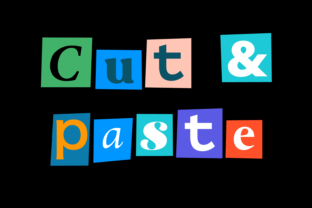
Cut Paste is a display font known for its dynamic and whimsical appearance. Its name itself suggests a creative process—cutting and pasting elements together, much like in collage-making. The font features irregular shapes, uneven strokes, and a handcrafted feel that sets it apart from more traditional typefaces.
Designed for use in headlines, logos, and decorative text, Cut Paste brings an element of surprise and spontaneity to any project. It works especially well in contexts where the goal is to capture attention or convey a sense of artistic freedom.
Key Features of Cut Paste
- Eclectic Design: Cut Paste embraces imperfection, making it ideal for projects that value uniqueness over uniformity.
- Versatile Application: While primarily a display font, its playful nature allows for creative use in both digital and print formats.
- High Visual Impact: The font's bold and varied letterforms make it stand out, even at smaller sizes.
- Easy Integration: Many design tools support Cut Paste, making it accessible for both beginners and professionals.
How Cut Paste Compares to Other Fonts
When considering Cut Paste, it’s helpful to compare it to other display fonts that serve similar purposes. Fonts like Brush Script, Comic Sans, and Griffon also offer a casual, informal look. However, each has its own strengths and limitations.
Brush Script is another cursive-style font that offers a hand-written feel. While it shares some similarities with Cut Paste in terms of organic movement, Brush Script tends to be more formal and structured, making it less suitable for highly experimental designs.
Comic Sans is widely recognized for its casual, childlike appearance. It’s often used in informal contexts, but its popularity has led to mixed opinions about its appropriateness in professional settings. In contrast, Cut Paste maintains a balance between fun and sophistication, making it more versatile for a wider range of applications.
Griffon is a bold, geometric display font that contrasts sharply with Cut Paste. While Griffon offers a strong, modern aesthetic, it lacks the irregular, hand-crafted quality that defines Cut Paste. This makes Griffon better suited for projects requiring a clean, contemporary look rather than a more eclectic one.
Strengths and Tradeoffs of Cut Paste
One of Cut Paste’s greatest strengths is its ability to add personality and character to a design. It’s perfect for projects that aim to stand out or communicate a sense of creativity. However, this same characteristic can be a limitation in certain contexts.
For instance, Cut Paste may not be the best choice for body text or long-form content. Its irregular spacing and varying stroke widths can make it difficult to read in large blocks of text. Additionally, while it’s visually striking, it may not be appropriate for all professional environments, especially those that prioritize clarity and consistency.
Another consideration is legibility. While Cut Paste excels in short, attention-grabbing phrases, it may not be as effective in situations where readability is paramount. For example, using it for a website’s main navigation or a document’s title could lead to confusion if not carefully implemented.
Best-Fit Situations for Cut Paste
Cut Paste shines in scenarios where a playful, artistic approach is desired. Here are a few examples of where it might be the right choice:
- Collage Projects: As its name suggests, Cut Paste is an excellent fit for collages, where the font’s eclectic style complements the layered, fragmented nature of the medium.
- Headlines and Titles: Its bold, eye-catching appearance makes it ideal for headlines, banners, and other short-form text elements.
- Branding and Logos: For brands looking to establish a unique identity, Cut Paste can help create a memorable and distinctive visual presence.
- Marketing Materials: Posters, flyers, and promotional materials benefit from Cut Paste’s ability to draw attention and convey energy.
However, it’s important to consider the context before using Cut Paste. If the goal is to communicate professionalism or clarity, a more conventional font may be more appropriate.
Alternatives to Consider
If Cut Paste doesn’t align with your project’s needs, there are several alternatives worth exploring. Each offers a different aesthetic and set of benefits:
- Bauhaus 93: A sans-serif display font with a clean, modern look. Ideal for minimalist designs.
- Dancing Script: A cursive font with a flowing, elegant appearance. Great for invitations and personal projects.
- Exo 2: A bold, futuristic font that works well for tech-related branding and digital interfaces.
- Lobster: A stylized, script-like font that offers a balance between playfulness and professionalism.
Each of these options provides a different tone and visual effect, so choosing the right one depends on the specific goals of your project.
Decision Factors When Choosing Cut Paste
Selecting the right font involves considering multiple factors, including the purpose of the design, the target audience, and the overall aesthetic. Here are a few questions to ask yourself before deciding whether Cut Paste is the best option:
- Does the design need to convey a sense of playfulness or creativity?
- Will the font be used for short, attention-grabbing text or longer passages?
- Is the target audience likely to respond positively to a more unconventional font style?
- Are there any brand guidelines or design standards that should be followed?
Answering these questions can help you determine whether Cut Paste is the right choice or if another font would be more suitable.
Final Thoughts
Cut Paste is a unique and expressive font that adds a touch of personality to any design. Its playful, eclectic style makes it an excellent choice for projects like collages, headlines, and branding efforts. However, it’s important to recognize its limitations and consider alternative options when necessary.
By understanding the strengths and tradeoffs of Cut Paste, you can make a more informed decision about whether it fits your design needs. Whether you choose Cut Paste or another font, the goal should always be to enhance the message and aesthetic of your project in the most effective way possible.