Kanza: A Simple and Bold Display Font for Strategic Design
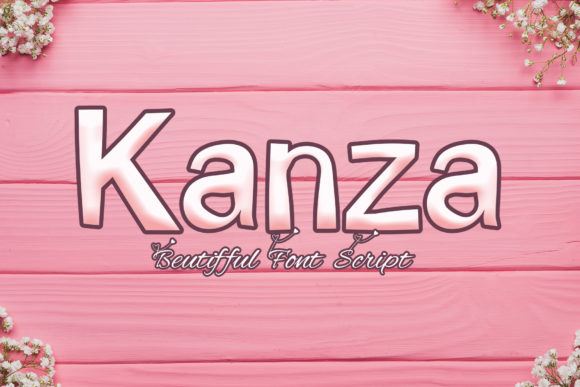
Kanza is a display font that combines simplicity with boldness, making it an excellent choice for designers, marketers, and professionals looking to make a strong visual impact. Unlike many fonts that prioritize complexity or ornate details, Kanza focuses on clarity, readability, and versatility. This makes it particularly useful in scenarios where the message needs to be communicated quickly and effectively.
Why Kanza Is Strategically Useful
Kanza's design is rooted in minimalism, which aligns with modern design trends that favor clean, uncluttered visuals. Its bold weight ensures that text stands out against a variety of backgrounds, making it ideal for headlines, banners, and other prominent elements. This characteristic can be especially beneficial when trying to capture attention in fast-paced environments such as digital advertising, presentations, or social media content.
Moreover, the font's simplicity allows it to maintain legibility even at smaller sizes, which is crucial for responsive web design and mobile compatibility. This adaptability means that Kanza can be used across multiple platforms without losing its effectiveness, supporting both short-term and long-term digital strategies.
Supporting Goals Through Thoughtful Use
When integrated thoughtfully into a project, Kanza can support various strategic goals. For example, in branding, using Kanza for logos or taglines can help establish a strong, memorable identity. The font’s bold nature reinforces confidence and authority, which can be advantageous for businesses aiming to convey professionalism or innovation.
In marketing materials, Kanza can enhance the visual hierarchy by drawing focus to key messages. This is particularly useful in sales collateral, promotional emails, or website headers where the goal is to communicate value propositions clearly and efficiently.
When to Use Kanza
Kanza is best suited for situations where visual emphasis is needed without sacrificing readability. Here are some practical use cases:
- Headlines and Subheadings: Kanza works well for titles that require attention but should remain easy to read.
- Call-to-Action Buttons: The boldness of Kanza can make CTA buttons more noticeable, encouraging user engagement.
- Logos and Branding Elements: Its clean lines and strong presence make it suitable for creating a professional brand image.
- Social Media Posts: With its adaptability to different screen sizes, Kanza can enhance the visual appeal of posts across platforms.
However, it's important to consider the context before relying solely on Kanza. While it excels in bold, attention-grabbing scenarios, it may not be appropriate for extended body text due to its limited character set and stylized appearance.
Strategic Planning Tips for Using Kanza
To maximize the benefits of Kanza, consider the following planning tips:
- Define Your Purpose: Before selecting Kanza, clarify what you want to achieve with your design. Is it to draw attention, convey professionalism, or create a specific mood?
- Test Across Platforms: Ensure that Kanza renders consistently across devices and browsers. Test it on desktops, tablets, and mobile phones to avoid unexpected results.
- Pair with Complementary Fonts: Use Kanza as a display font alongside a more readable sans-serif or serif font for body text. This creates a balanced visual hierarchy.
- Consider Color Contrast: Choose colors that provide sufficient contrast against the background to maintain legibility, especially for users with visual impairments.
Possible Risks of Using Kanza Without Clear Goals
While Kanza offers numerous advantages, using it without clear objectives or context can lead to suboptimal results. For instance, applying it indiscriminately to all text elements may dilute its impact and confuse the audience. Additionally, overusing bold fonts can create a cluttered or overwhelming visual experience, which can detract from the intended message.
Another risk is misalignment with brand identity. If Kanza doesn't match the tone or personality of your brand, it could send mixed signals to your audience. It's essential to ensure that the font supports your overall brand strategy rather than conflicting with it.
How to Use Kanza Intentionally
To use Kanza intentionally, start by aligning it with your core messaging and brand values. Ask yourself whether the font enhances the clarity and impact of your communication. When in doubt, seek feedback from stakeholders or conduct A/B testing to evaluate its effectiveness.
Additionally, consider the emotional response you want to evoke. Kanza's boldness can convey strength and confidence, but it may not be suitable for projects requiring a softer or more approachable tone. By understanding the nuances of your audience and message, you can make more informed decisions about when and how to use Kanza.
Long-Term Value and Practical Considerations
The long-term value of Kanza lies in its ability to contribute to consistent, high-quality design across multiple touchpoints. Whether you're building a website, creating marketing assets, or developing a brand identity, thoughtful use of Kanza can streamline your workflow and improve the overall user experience.
From a practical standpoint, investing in a premium version of Kanza may offer additional features such as extended character sets, multilingual support, or access to design tools. These enhancements can further expand the font's utility and ensure it meets the evolving needs of your projects.
Ultimately, Kanza is more than just a font—it's a strategic tool that, when used wisely, can elevate your design work and support your broader business or creative goals. By integrating it into your workflow with intention and purpose, you can unlock new opportunities for growth, innovation, and success.