Margo: A Playful and Medieval-Inspired Font for Modern Design
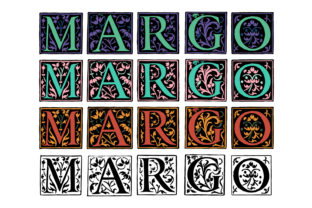
Margo is a beautiful and playful color font that evokes the look and feel of the early days of letterpress printing. Designed with a distinctly medieval aesthetic, Margo brings a sense of nostalgia and elegance to modern design projects. Whether you're working on branding, invitations, or digital content, this font offers a unique way to stand out while maintaining a classic charm.
What Is Margo?
Margo is a typeface that blends traditional typography with contemporary design elements. It features ornate serifs, subtle textures, and a warm color palette that mimics the inks and papers used in historical letterpress work. This font is ideal for designers looking to add character and depth to their visual projects without sacrificing readability.
The name "Margo" itself suggests a sense of personality and playfulness, which aligns perfectly with the font's overall style. It's not just about aesthetics; it's about creating an emotional connection between the viewer and the message being conveyed.
Challenges and Goals in Typography
Designers often face the challenge of finding the right font that matches both the tone and purpose of their project. Too many fonts can be either too modern or too generic, making it difficult to create a distinctive identity. Additionally, ensuring that text remains legible across different media—print, web, mobile—is crucial for effective communication.
For those aiming to create a brand or promotional material with a unique identity, Margo presents a compelling solution. Its medieval-inspired design allows for creative expression while still being versatile enough to suit various applications.
How Margo Can Help Address These Challenges
Margo's distinctiveness makes it a valuable asset for designers who want to differentiate their work. Its medieval flair adds a layer of sophistication that can elevate logos, headlines, and other typographic elements. The font's texture and color variations also allow for greater visual interest, which can be particularly useful in print media where visual impact is key.
One of the most significant benefits of using Margo is its ability to evoke emotion. In marketing and branding, connecting with the audience on an emotional level is essential. By incorporating Margo into your designs, you can create a more memorable and engaging experience for your viewers.
Practical Applications and Outcomes
Margo is well-suited for a wide range of applications, from wedding invitations to book covers and even packaging design. For example, a boutique clothing brand might use Margo to create a vintage-inspired logo that appeals to customers seeking a more artisanal feel. Similarly, a publishing house could use this font for book titles to give them a timeless quality that resonates with readers.
In digital contexts, Margo can be used sparingly to highlight important sections of a website or app. Its decorative nature works best as a headline font rather than for large blocks of text. When used appropriately, it can enhance the user experience by adding visual interest without overwhelming the reader.
Examples and Recommendations
If you're new to using Margo, start by experimenting with different weights and colors. Try pairing it with simpler sans-serif fonts for body text to maintain balance and readability. Also, consider how the font interacts with background colors and images. Margo looks especially striking against neutral tones like cream or parchment.
Another recommendation is to use Margo in combination with other design elements that complement its medieval theme, such as hand-drawn illustrations or vintage-style borders. This can help create a cohesive visual narrative that reinforces the font's unique character.
Different Approaches for Different Users
Depending on your design goals, there are several ways to approach using Margo. If you're focused on branding, you may want to develop a consistent style guide that includes specific guidelines for when and how to use the font. On the other hand, if you're working on a one-time project like a poster or flyer, you have more flexibility to experiment with different layouts and color schemes.
Some users may prefer to use Margo in its original form, while others might look for variations or customizations that better fit their needs. There are online tools and font editors that allow you to tweak the appearance of Margo to suit your specific requirements.
Considerations for Effective Use
While Margo is visually appealing, it's important to ensure that it doesn't compromise the readability of your content. Always test how the font appears on different devices and screen sizes, especially if you're using it for digital projects. Avoid using it in small text sizes where the intricate details may become lost.
Additionally, consider the context in which you're using Margo. While it's perfect for creative and artistic projects, it may not be the best choice for formal documents or technical content where clarity and professionalism are paramount.
Finally, always respect the licensing terms associated with Margo. Make sure you're using it in accordance with the rules provided by the font's creator or distributor. This ensures that you're not only using it effectively but also ethically.
By understanding the strengths and limitations of Margo, you can make informed decisions about how to incorporate it into your design workflow. Whether you're looking to add a touch of history to your next project or simply want to explore new typographic possibilities, Margo offers a unique and rewarding experience.