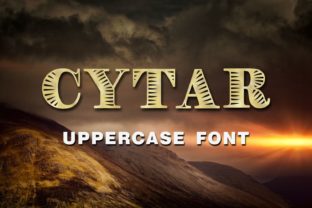
Cytar: A Versatile Uppercase Font for Personalized Design Projects
Cytar is a carefully crafted uppercase font that stands out in the world of typography with its clean lines, balanced proportions, and elegant character shapes. Designed to be both functional and aesthetically pleasing, Cytar is suitable for a wide range of design projects where a personalized appearance is essential. Whether you're working on branding materials, digital interfaces, or print media, Cytar offers a unique visual identity that can enhance your creative output.
For designers and creatives looking to add a touch of individuality to their work, Cytar provides a reliable solution. Its uppercase letterforms are optimized for readability while maintaining a distinctive style that sets it apart from more common fonts. This makes it an excellent choice for headlines, logos, and other typographic elements that require attention to detail and a professional finish.
Understanding the Role of Typography in Design
Typography plays a crucial role in design, influencing how information is perceived and how users interact with content. Choosing the right font can make a significant difference in the overall look and feel of a project. While many fonts focus on versatility, Cytar takes a different approach by emphasizing personality and uniqueness through its uppercase characters.
One of the main challenges in design is creating a visual identity that is both memorable and appropriate for the intended audience. In this context, Cytar offers a compelling option. Its structured yet expressive form allows for creative flexibility without compromising clarity or legibility. This makes it particularly useful for projects that aim to convey confidence, professionalism, or a sense of craftsmanship.
Practical Applications of Cytar in Design Projects
Cytar's versatility makes it suitable for various design scenarios. Here are some practical applications where Cytar can be effectively used:
- Branding and Logos: Cytar’s uppercase letters can be used to create strong, memorable logos that stand out in a crowded marketplace. The font’s clean design ensures that logos remain readable even at smaller sizes.
- Headlines and Titles: When designing websites, posters, or magazines, Cytar can be used for headings to draw attention and establish a clear hierarchy of information.
- Packaging and Product Design: For product packaging, Cytar adds a premium feel to labels, tags, and promotional materials. Its consistent stroke weight and spacing contribute to a polished look.
- Digital Interfaces: In web and app design, Cytar can be used for buttons, navigation menus, or call-to-action elements. Its modern aesthetic aligns well with contemporary UI trends.
These applications demonstrate how Cytar can be adapted to different contexts while maintaining its core characteristics. By using Cytar, designers can ensure that their projects have a cohesive and distinctive typographic presence.
How Different Users Can Approach Cytar
The way users approach Cytar will depend on their specific needs and goals. For example, a graphic designer working on a brand identity might use Cytar as the primary font for all communication materials, ensuring consistency across different platforms. On the other hand, a web developer may incorporate Cytar selectively for headings or key messages to maintain visual interest without overwhelming the user interface.
Another consideration is the balance between creativity and usability. While Cytar is designed to stand out, it should still support the message being conveyed. Designers should experiment with spacing, color, and pairing to find the optimal combination that enhances rather than distracts from the content.
Recommendations for Using Cytar Effectively
To get the most out of Cytar, consider the following recommendations:
- Pair with complementary fonts: Use Cytar alongside a sans-serif or serif font for body text to create contrast and improve readability.
- Experiment with weights and styles: Although Cytar is primarily an uppercase font, exploring variations in weight or style (if available) can add depth to your designs.
- Consider the context: Always evaluate how Cytar fits within the broader design system. It should complement other visual elements rather than compete with them.
- Test across devices: Ensure that Cytar displays correctly on different screen sizes and resolutions, especially if it’s used for digital projects.
By keeping these considerations in mind, designers can use Cytar to achieve a visually appealing and functionally effective result.
Why Choose Cytar Over Other Fonts?
In a market filled with countless fonts, Cytar distinguishes itself through its focus on personalization and elegance. Unlike generic sans-serif or serif fonts, which can often feel overused or uninspired, Cytar brings a fresh perspective to typography. Its uppercase structure allows for bold statements without sacrificing clarity, making it ideal for projects that require impact and sophistication.
Moreover, Cytar is designed with scalability in mind. Whether you’re working on a small-scale project or a large-scale campaign, the font maintains its integrity across different sizes and formats. This adaptability ensures that Cytar remains a valuable asset in any designer’s toolkit.
Ultimately, Cytar is more than just a font—it’s a tool for expression and innovation. By choosing Cytar, designers can elevate their work and create designs that resonate with their intended audience. Its thoughtful design and versatile application make it a smart choice for anyone looking to add a unique touch to their creative projects.