Vitage Font: A Vintage-Inspired Display Font for Design Projects
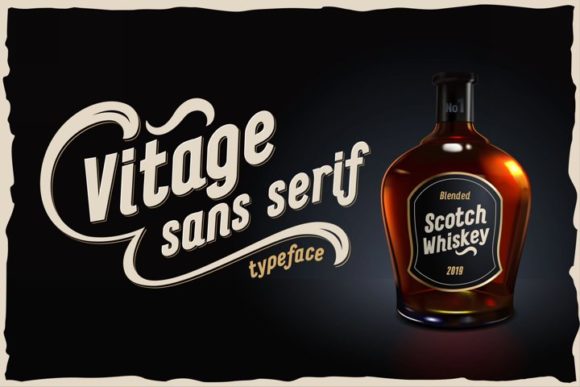
Vitage is a display font that draws inspiration from vintage typography, offering a unique blend of nostalgia and modern design. Its clean lines and structured form give it a strong, confident presence, making it suitable for a variety of creative applications. Designed to evoke a sense of history while maintaining readability, Vitage can be an excellent choice for designers looking to add character to their projects without sacrificing clarity.
Understanding the Characteristics of Vitage
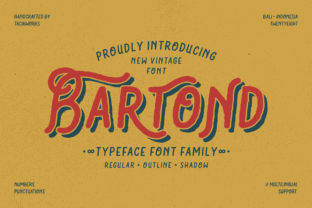
Vitage stands out due to its distinctive style, which balances the elegance of older typefaces with the clarity of contemporary fonts. The letterforms are bold yet refined, giving the font a dynamic feel that works well in both print and digital formats. This font is particularly effective when used for headlines, logos, or any design element where visual impact is key.
The vintage aesthetic of Vitage is not just about appearance; it also influences how the text is perceived. It can create a sense of authenticity and charm, which is especially appealing in branding, marketing materials, and retro-themed designs.
Why Consider Using Vitage?
There are several reasons why someone might choose Vitage for their design projects. First, its nostalgic appeal can help establish a connection with audiences who appreciate classic styles. This makes it a good fit for brands aiming to convey tradition, heritage, or a timeless quality.
Additionally, Vitage’s strong and confident appearance makes it ideal for headlines and titles that need to grab attention. Its dynamic nature ensures that it remains legible even at smaller sizes, which is a significant advantage over some more ornate vintage fonts that can become difficult to read when scaled down.
Another benefit of Vitage is its versatility. While it has a distinct vintage feel, it does not limit itself to only retro themes. It can be adapted to modern contexts, making it a flexible option for various design needs.
Benefits and Tradeoffs of Using Vitage
One of the primary benefits of using Vitage is its ability to enhance visual storytelling. The font can add depth and personality to a design, helping to communicate a brand’s message more effectively. Its strong structure also ensures that it performs well across different media, including web pages, posters, and packaging.
However, like any font, Vitage has its tradeoffs. Its vintage-inspired style may not be suitable for all types of content. For instance, it might not be the best choice for long-form text where readability is crucial. In such cases, a more standard sans-serif or serif font could be a better option.
Another consideration is that Vitage may require careful pairing with other fonts to ensure a cohesive design. While it is visually striking on its own, it should complement rather than compete with supporting text elements.
Situations Where Vitage Is a Strong Fit
Vitage excels in scenarios where a bold, confident, and nostalgic aesthetic is desired. It is particularly well-suited for:
- Headlines and Titles: Its strong presence makes it ideal for grabbing attention in articles, advertisements, and presentations.
- Logos and Branding: The vintage feel of Vitage can help reinforce a brand’s identity, especially if the brand aims to convey tradition or craftsmanship.
- Retro-Themed Designs: Whether it's for a vintage poster, a themed website, or a product package, Vitage adds an authentic touch that aligns with the theme.
- Marketing Materials: From flyers to social media posts, Vitage can elevate the visual appeal of promotional content.
When Alternatives Might Be More Appropriate
While Vitage is a versatile font, there are situations where other options might be more appropriate. For example, if a project requires a more modern or minimalist look, a sans-serif font like Helvetica or Arial could be a better choice. These fonts offer greater simplicity and are often preferred for readability in long-form text.
Additionally, if the design requires a more decorative or script-like style, alternative fonts such as Brush Script or Garamond might be worth considering. These fonts can provide a different kind of visual interest that complements certain design goals.
It’s also important to consider the audience. If the target demographic prefers contemporary aesthetics, a more modern font may resonate better than a vintage-style one like Vitage.
Practical Insights for Choosing Vitage
When deciding whether to use Vitage, it’s essential to evaluate the overall design context. Ask yourself: Does this font align with the tone and purpose of the project? Will it enhance the message or distract from it?
Testing Vitage in different scenarios can also help determine its effectiveness. Try using it alongside other fonts, adjusting sizes, and viewing it on various screens to see how it performs under different conditions.
Lastly, consider licensing and availability. Ensure that Vitage is accessible for your intended use and that you have the proper permissions to use it in commercial or public-facing projects.
By carefully evaluating these factors, you can make an informed decision about whether Vitage is the right font for your design needs.