Recola: A Retro-Styled Display Font for Bold and Playful Design
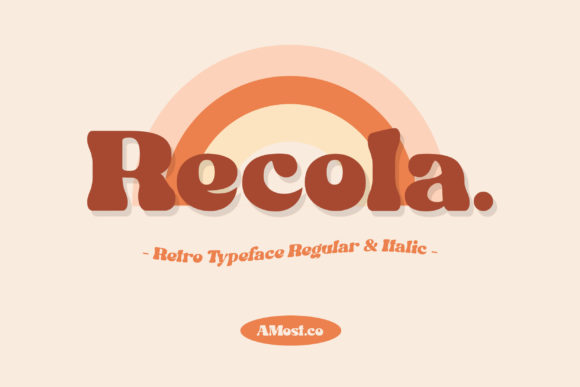
Recola is a retro-styled display font that brings a sense of nostalgia, energy, and visual impact to any design project. With its playful yet bold character, it's an excellent choice for those looking to create eye-catching visuals that stand out in a crowded digital landscape. Whether you're designing a logo, crafting social media content, or creating promotional materials, Recola offers a unique opportunity to communicate with confidence and personality.
Understanding the Strategic Value of Recola
Fonts are more than just text—they are tools for communication, branding, and emotional connection. Recola, with its vintage-inspired design, can be strategically used to evoke a sense of charm, authenticity, and creativity. This makes it particularly valuable for brands targeting audiences who appreciate retro aesthetics, such as vintage fashion, classic music, or nostalgic marketing campaigns.
For entrepreneurs, marketers, and creators, choosing the right font can significantly influence how your message is perceived. Recola’s distinctiveness allows for greater memorability, which can enhance brand recognition and customer engagement when used appropriately.
When to Use Recola for Maximum Impact
Recola shines in situations where you want to convey a playful, bold, or retro tone. It works exceptionally well in the following contexts:
- Headlines and Titles: Its bold nature makes it perfect for drawing attention to key messages or headlines in blogs, presentations, or advertisements.
- Branding Elements: Incorporating Recola into logos, slogans, or taglines can add a unique flair that differentiates your brand from competitors.
- Social Media Graphics: Platforms like Instagram, Pinterest, and Facebook benefit from visually striking fonts that capture attention quickly.
- Event Invitations and Promotional Materials: Recola adds a fun and engaging touch to event posters, flyers, or banners.
However, it's important to consider the context before using Recola. While it can elevate the visual appeal of your content, it may not be suitable for all scenarios—especially those requiring a professional or minimalist approach.
How to Approach Using Recola Effectively
To use Recola effectively, start by aligning it with your overall design strategy. Ask yourself: What message do I want to convey? Who is my target audience? How does this font support my brand identity?
Once you've established these goals, consider the following tips:
- Balance with Simpler Fonts: Use Recola for headings or accents rather than body text. Pair it with a clean, readable font for the rest of your content to maintain legibility and balance.
- Experiment with Color and Size: Recola looks great in high-contrast color combinations and larger sizes. Test different options to see what best suits your design.
- Ensure Readability Across Devices: Check how Recola appears on various screen sizes and resolutions. Avoid using it in small text where it might become difficult to read.
- Stay Consistent: If you choose to use Recola across multiple projects or platforms, ensure consistency in style and application to reinforce brand recognition.
By approaching the use of Recola with intention, you can maximize its potential while avoiding common pitfalls that come with overusing or misusing a distinctive font.
Strategic Considerations Before Relying on Recola
While Recola has many strengths, it's essential to understand the risks of using it without clear goals or context. For instance, if your brand image is modern or corporate, using a retro-style font like Recola might send mixed signals to your audience. It could also make your content appear less professional or too casual for certain industries.
Additionally, overusing Recola across all elements of your design can lead to visual clutter and reduce the effectiveness of your message. It's crucial to use it selectively and thoughtfully to maintain clarity and focus.
Before committing to Recola for a long-term project, test it in different contexts and gather feedback from your target audience. This will help you determine whether it aligns with your brand voice and meets the expectations of your users.
Real-World Examples of Recola in Action
Let’s look at some practical examples of how Recola can be applied in real-world scenarios:
Example 1: Branding for a Vintage-Inspired Café
A local café aiming to evoke a nostalgic vibe uses Recola for its logo and menu headers. The font complements the café’s theme of retro coffee culture and helps attract customers who appreciate that aesthetic.
Example 2: Marketing Campaign for a Music Festival
An independent music festival uses Recola in its promotional materials, including posters and social media posts. The playful and bold nature of the font captures the energetic spirit of the event and encourages attendance.
Example 3: Blog Header for a Nostalgia-Focused Content Creator
A blogger who focuses on vintage fashion and lifestyle uses Recola for their blog header and section titles. This reinforces the theme of their content and creates a cohesive visual identity.
These examples illustrate how Recola can be tailored to fit specific goals and contexts, making it a versatile tool in the hands of thoughtful designers and marketers.
Integrating Recola Into Your Workflow
Incorporating Recola into your workflow requires a strategic mindset. Begin by identifying the areas where it can add value, then plan how to implement it without disrupting the overall design integrity of your projects.
Consider the following steps:
- Define Your Objectives: Determine what you want to achieve with your design. Is it to increase engagement, improve brand recall, or simply add visual interest?
- Test Different Applications: Experiment with Recola in various formats and settings to see how it performs in different contexts.
- Align with Brand Guidelines: Ensure that your use of Recola aligns with your brand's visual identity and messaging standards.
- Monitor Feedback: Observe how your audience responds to designs that include Recola. Use this feedback to refine your approach and optimize results.
By taking a structured and intentional approach, you can leverage Recola to enhance your creative output and achieve better outcomes across your projects.
Conclusion
Recola is more than just a retro-styled display font—it's a strategic design asset that can elevate your visual communication when used with purpose. Whether you're building a brand, creating marketing materials, or enhancing your online presence, Recola offers a unique opportunity to express creativity and stand out in a competitive environment.
By understanding its strengths, limitations, and appropriate applications, you can use Recola effectively to support your goals, improve your results, and create designs that resonate with your audience. The key is to apply it intentionally, ensuring that it serves your message rather than overshadowing it.