Green: A Retro-Styled Display Font with Versatile Appeal
Green is a retro-styled display font that stands out for its nostalgic charm and clean, modern appeal. Designed to evoke the aesthetic of mid-century typography, it blends vintage inspiration with contemporary usability. Whether you're working on branding materials, creative projects, or editorial design, Green offers a unique visual identity that can elevate your work without compromising readability.
What Makes Green Stand Out?
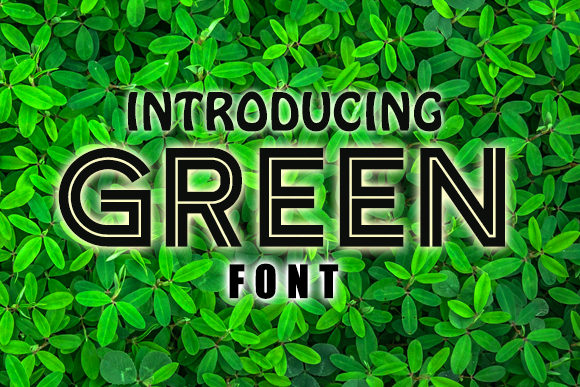
At first glance, Green captures attention with its distinctive letterforms. The font features bold strokes, rounded edges, and a slightly uneven texture that mimics hand-drawn elements. This gives it a tactile quality that feels both authentic and artistic. Unlike many retro fonts that lean too heavily into ornate or overly stylized designs, Green maintains a balance between character and clarity.
One of the most notable aspects of Green is its versatility. It’s not limited to just headlines or logos; it works well in a variety of contexts, including titles, invitations, packaging, and even digital interfaces when used appropriately. Its retro feel makes it particularly appealing for brands looking to establish a nostalgic or artisanal image.
Key Characteristics of Green
- Retro-inspired Design: Inspired by classic typefaces from the 1950s and 60s, Green has a warm, handcrafted appearance that feels both vintage and fresh.
- High Readability: Despite its stylized look, Green remains highly legible at various sizes, making it suitable for both print and digital use.
- Wide Range of Applications: From stationery and letterheads to website headers and social media graphics, Green adapts well to different formats.
- Consistent Weight and Style: The font maintains a consistent weight throughout, ensuring that text appears uniform and professional.
Who Benefits Most from Using Green?
Green is ideal for professionals and creatives who need a font that balances personality with professionalism. Entrepreneurs launching new brands may find Green especially useful for creating memorable logos and marketing materials. Freelancers and designers working on client projects can use it to add a touch of nostalgia without overwhelming the design.
Marketers and content creators might also appreciate how Green adds visual interest to promotional materials, newsletters, or blog headers. Educators and publishers could leverage its retro appeal for children's books, educational posters, or themed publications. Small business owners looking to differentiate themselves through unique branding will find Green an excellent choice for signage, packaging, and storefront displays.
Practical Use Cases for Green
- Branding and Logos: Green can serve as the foundation for a brand’s visual identity, helping to create a cohesive and memorable look.
- Event Invitations: Its retro flair makes it perfect for wedding invites, party announcements, or themed events.
- Stationery and Letterheads: The font adds a personal, artisanal feel to business cards, envelopes, and formal letters.
- Digital Media: When used in moderation, Green can enhance website headers, banners, or social media posts without sacrificing readability.
Evaluating Quality and Usability
When assessing a font like Green, it’s important to consider both its visual appeal and technical performance. In terms of quality, Green is well-crafted with attention to detail in each character. The spacing between letters (kerning) is consistent, which helps maintain a polished look across different layouts.
Usability is another key factor. While Green is primarily a display font, it’s designed to be used effectively in larger sizes. For body text, it’s best to pair it with a more readable sans-serif or serif font. This ensures that the overall design remains accessible and easy to read, especially for audiences with varying levels of visual acuity.
The font file itself is optimized for performance, loading quickly on websites and applications. This is crucial for users who prioritize speed and efficiency, particularly in digital environments where page load times can impact user experience.
Potential Limitations and Considerations
No font is perfect for every situation, and Green is no exception. Its retro style may not be suitable for all industries or audiences. For example, tech startups or financial institutions may prefer a more modern, minimalist font that conveys innovation and reliability. Similarly, Green may not be the best choice for long-form text due to its stylized nature.
Another consideration is the font’s availability. While Green is widely accessible through font marketplaces and design platforms, it may require purchase or subscription depending on the platform used. Users should ensure they have the appropriate licensing for commercial use, especially if they’re incorporating it into client projects or public-facing content.
Why Choose Green Over Other Fonts?
In a market flooded with countless font options, Green distinguishes itself through its thoughtful design and adaptability. Many retro fonts either lack legibility or appear outdated, but Green manages to walk the line between old-world charm and modern functionality. It doesn’t rely on excessive embellishments or overly complex shapes, which can sometimes detract from the message being conveyed.
For those seeking a font that feels both authentic and refined, Green provides a compelling alternative to more generic choices. It allows designers to inject personality into their work while maintaining a level of professionalism that resonates with a broad audience.
Ultimately, whether Green is the right choice depends on the specific needs of the project. If you're aiming to create something that feels timeless yet fresh, this font is definitely worth considering.
Final Thoughts and Recommendations
Green is a versatile, high-quality font that brings a unique retro aesthetic to a wide range of design applications. Its clean lines, balanced proportions, and nostalgic appeal make it a valuable asset for professionals and hobbyists alike. However, it’s important to use it thoughtfully—reserving it for display purposes rather than overusing it in body text.
If you're working on a project that benefits from a touch of vintage charm, Green is an excellent option to explore. Pair it with complementary fonts, colors, and layouts to ensure it enhances rather than overwhelms your design. With careful consideration and strategic use, Green can become a standout element in your creative toolkit.