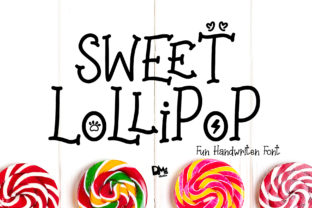
Sweet Lollipop: A Whimsical Font for Creative Expression
Fonts are more than just tools for communication—they're expressions of personality, style, and creativity. Among the many choices available, Sweet Lollipop stands out as a fun and quirky handwritten font that brings a playful energy to any design or text. Whether you're crafting a logo, designing a social media post, or creating marketing materials, Sweet Lollipop can add charm and character to your work. But like any tool, it comes with its own set of considerations. Let's explore what makes this font special and how to use it effectively without falling into common pitfalls.
What is Sweet Lollipop?
Sweet Lollipop is a whimsical, hand-drawn font designed to mimic the look of cursive handwriting with exaggerated curves and playful flourishes. It evokes a sense of nostalgia and innocence, making it ideal for projects that aim to feel personal, lighthearted, or childlike. Its unique style works well in branding for confectionery shops, children’s products, or anything that benefits from a touch of sweetness and playfulness.
Its popularity stems from its ability to stand out in a sea of standard sans-serif and serif fonts. However, this same uniqueness also means it requires thoughtful application to avoid overuse or misapplication.
Common Mistakes When Using Sweet Lollipop
While Sweet Lollipop is visually appealing, there are several common mistakes people make when using it. These can affect the overall quality and effectiveness of your design or text.
Mistake 1: Overusing the Font
One of the most frequent errors is applying Sweet Lollipop too broadly. Because it’s a decorative font, it’s not suitable for long blocks of text. Using it for body copy can make reading difficult and reduce readability.
Better Approach: Reserve Sweet Lollipop for headings, logos, or short phrases. For body text, choose a clean, readable font and use Sweet Lollipop sparingly to highlight key points or add visual interest.
Mistake 2: Ignoring Readability
The stylized nature of Sweet Lollipop can lead to poor readability, especially at smaller sizes. If the font is too small, the intricate details may become illegible, which can confuse your audience.
Better Approach: Always test the font at different sizes and on various backgrounds. Ensure that it remains legible even when scaled down. Consider using it in larger formats such as banners, posters, or titles where clarity isn’t compromised.
Mistake 3: Not Matching the Font with the Project’s Tone
Sweet Lollipop has a very specific vibe—playful, cute, and whimsical. Choosing it for a serious or professional project might clash with the intended message and damage the brand’s credibility.
Better Approach: Evaluate the tone and purpose of your project before selecting a font. If your goal is to convey professionalism, opt for a more traditional font. Save Sweet Lollipop for creative, fun, or child-oriented content where its style complements the theme.
Mistake 4: Skipping Licensing Checks
Many designers overlook the importance of checking licensing agreements when downloading or purchasing fonts. Some versions of Sweet Lollipop may have restrictions on commercial use, and using them without proper permission could lead to legal issues.
Better Approach: Always verify the license terms before using a font in a professional setting. Choose reputable sources for downloading or buying fonts, and ensure you understand the scope of usage permitted by the license.
What to Check Before Using Sweet Lollipop
If you’re considering incorporating Sweet Lollipop into your design, take a moment to review these factors to ensure it aligns with your needs:
- Project Purpose: Is your project playful, educational, promotional, or professional? Make sure the font matches the intended message.
- Readability: Test the font in different sizes and layouts to confirm it remains clear and legible.
- Licensing: Confirm that you have the right to use the font for your intended purpose, whether personal or commercial.
- Compatibility: Ensure the font works well with other elements in your design, such as colors, images, and layout structures.
- Aesthetic Balance: Avoid overpowering your design with too much ornamentation. Use the font in moderation to maintain visual harmony.
Practical Tips for Effective Use
To maximize the impact of Sweet Lollipop, consider these practical tips:
- Pair with Complementary Fonts: Combine Sweet Lollipop with a clean, sans-serif font for body text to create a balanced and professional look.
- Use for Branding: This font is excellent for logos, taglines, or slogans that need to feel memorable and engaging.
- Experiment with Color: Try using Sweet Lollipop in bright, eye-catching colors to enhance its playful nature. However, be mindful of color contrast to maintain readability.
- Limit Usage: Apply the font only where it adds value, such as headlines or call-to-action buttons, rather than throughout entire pages.
- Stay Consistent: If using multiple fonts, ensure they complement each other and maintain a cohesive visual identity across all platforms.
Sweet Lollipop is a versatile and expressive font that can elevate your creative projects when used thoughtfully. By avoiding common mistakes and following best practices, you can harness its charm while maintaining clarity, professionalism, and visual appeal. Whether you're a designer, marketer, or hobbyist, understanding how to apply this font effectively will help you create content that stands out in a positive way.