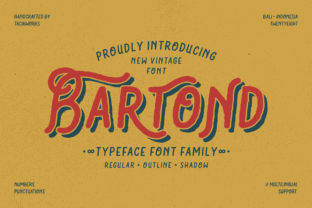
Bartond Font: A Vintage Display Font for Retro-Themed Projects
Bartond is a display font that captures the essence of vintage typography with its elegant and stylized design. It features a retro aesthetic that can add a nostalgic charm to various creative projects. Whether you're designing logos, posters, or merchandise, Bartond offers a unique visual appeal that stands out in modern design landscapes.
Understanding Bartond
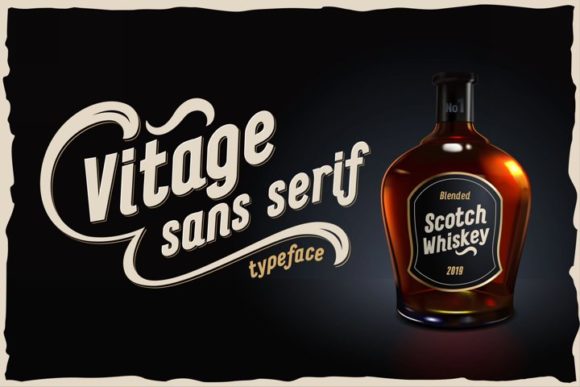
Bartond is characterized by its ornate letterforms and distinctive stroke variations that evoke a sense of history and craftsmanship. This font is ideal for projects that aim to convey a classic or old-world feel. Its design elements include subtle serifs, uneven baselines, and a slightly irregular structure that mimics hand-drawn typography.
The font's versatility allows it to be used in both digital and print formats. However, due to its decorative nature, it may not be suitable for all types of text, especially those requiring high readability or legibility at smaller sizes.
Reasons to Consider Bartond
If your project requires a vintage or retro look, Bartond can be an excellent choice. Its design makes it particularly well-suited for branding that aims to evoke nostalgia or historical significance. Designers working on themes related to the 1920s, 1950s, or other eras might find Bartond to be a valuable asset.
- Retro-themed branding: Bartond can enhance the visual identity of brands that want to reflect a bygone era.
- Creative posters and advertisements: The font's unique style can draw attention and create a memorable impression.
- Merchandising and clothing designs: Bartond adds a distinctive touch to t-shirts, mugs, and other products.
- Business cards and invitations: It can elevate the appearance of printed materials with a classic flair.
Benefits and Tradeoffs
The primary benefit of using Bartond is its ability to convey a strong visual message aligned with retro aesthetics. It can help differentiate a brand from competitors and attract audiences who appreciate vintage styles.
However, there are tradeoffs to consider. Because of its ornate design, Bartond may not be the best choice for long blocks of text or situations where clarity is paramount. It works best as a headline or accent font rather than body text.
Additionally, the font's irregularity may require more careful spacing and alignment when used in design compositions. This could increase the time needed for layout adjustments and fine-tuning.
Situations Where Bartond Is a Strong Fit
Bartond shines in scenarios where a vintage or artistic approach is desired. Here are some examples:
- Logo design: For businesses seeking a timeless or heritage-based image, Bartond can provide a unique and memorable logo.
- Event invitations: Weddings, themed parties, or anniversary events can benefit from the font's nostalgic appeal.
- Album covers and book titles: Artists and authors looking to create a specific mood or atmosphere may find Bartond to be an ideal choice.
- Marketing materials: Brochures, flyers, or promotional content that needs a distinct visual identity can leverage Bartond's character.
When Alternatives May Be Worth Considering
While Bartond has its strengths, it may not be the best fit for every situation. If your project requires a clean, modern, or highly readable font, alternatives like Helvetica, Arial, or sans-serif fonts would be more appropriate.
For projects involving large amounts of text, such as websites, reports, or academic papers, a more legible and scalable font is recommended. In these cases, using Bartond only for headlines or accents can balance visual interest with functionality.
Designers should also consider the target audience. If the audience prefers contemporary or minimalist aesthetics, Bartond might not align with their expectations.
Practical Decision-Making Insights
Before deciding to use Bartond, evaluate the purpose of your project and the intended audience. Ask yourself whether the vintage aesthetic aligns with your goals and whether the font will enhance rather than hinder the overall design.
Consider testing Bartond in different contexts and sizes to see how it performs. Pay attention to how it interacts with other design elements such as colors, images, and spacing. A well-balanced composition can make a significant difference in the effectiveness of the font.
It's also wise to compare Bartond with other similar fonts to ensure it meets your specific needs. Exploring options like Cinzel, Playfair Display, or Lobster can provide additional insights into what might work best for your project.
In summary, Bartond is a beautiful display font with a vintage look that can add character to retro-themed projects. While it excels in certain applications, it's important to weigh its benefits against potential limitations and ensure it aligns with your overall design objectives.